

AI predictive maintenance built for plant engineers, not data scientists
Gearcadence connects magnetic clip-on sensors to your existing CMMS with a failure forecast engine that runs at the edge — no cloud dependency, no OEM lock-in, no integration project required.
Fixed-interval PMs are a coin flip. Reactive maintenance is a budget leak.
Maintenance and operations managers at discrete manufacturers with 50 to 500 machine assets face a structural gap: the sensor data to predict most failures already exists in their SCADA historians, but no one on shift has the statistical training or bandwidth to interpret it before something breaks.
Unplanned equipment downtime in discrete manufacturing disrupts production schedules, destroys OEE targets, and forces costly emergency parts procurement. Teams rely on fixed-interval PMs and gut feel rather than real-time machine health signals. When a gearbox fails during a critical production run, the damage is rarely just the repair cost — it is the cascading schedule disruption, the overtime, the expedited freight, and the customer conversation no one wants to have.
The data to prevent these failures is already flowing through plant historians. What's missing is a system that can read it in real time and tell a maintenance supervisor what to schedule before the next shift — without requiring a data engineering team to build it.
Sensor to CMMS work order in three steps
The Gearcadence platform handles the full data chain — from raw vibration signal to ranked maintenance task — so your team focuses on the wrench, not the spreadsheet.
Clip on and stream
Lightweight vibration, temperature, and current sensors clip onto existing machine frames — no OEM integration, no drilling, no scheduled line downtime. Data streams via edge gateway over existing plant Wi-Fi or Ethernet. For facilities with existing OPC-UA or SCADA historians, Gearcadence ingests process variables directly alongside sensor streams, improving diagnostic accuracy across the full drivetrain.
Edge inference and cloud forecasting
On-device edge inference runs anomaly detection at 10kHz in real time — alerts fire within milliseconds, even when the plant network goes down. The Gearcadence cloud layer aggregates multi-asset patterns, trains asset-specific degradation models, and surfaces ranked failure-risk scores every 15 minutes. Asset-class degradation curves combine with site-specific operating history to produce time-to-failure windows with confidence intervals — not just "something is wrong."
Ranked work orders delivered to your CMMS
Maintenance teams receive prioritized work orders with estimated time-to-failure windows, recommended corrective actions, and parts lists pushed directly to SAP PM, IBM Maximo, or Fiix — before a machine trips. Technicians close the loop in their existing CMMS, feeding actuals back into Gearcadence's degradation model to continuously improve TTF accuracy over the asset's operating life.
Six capabilities. One platform. No data scientist required.
Each Gearcadence capability is designed to be used by the person standing next to the machine — not the person who built the model.
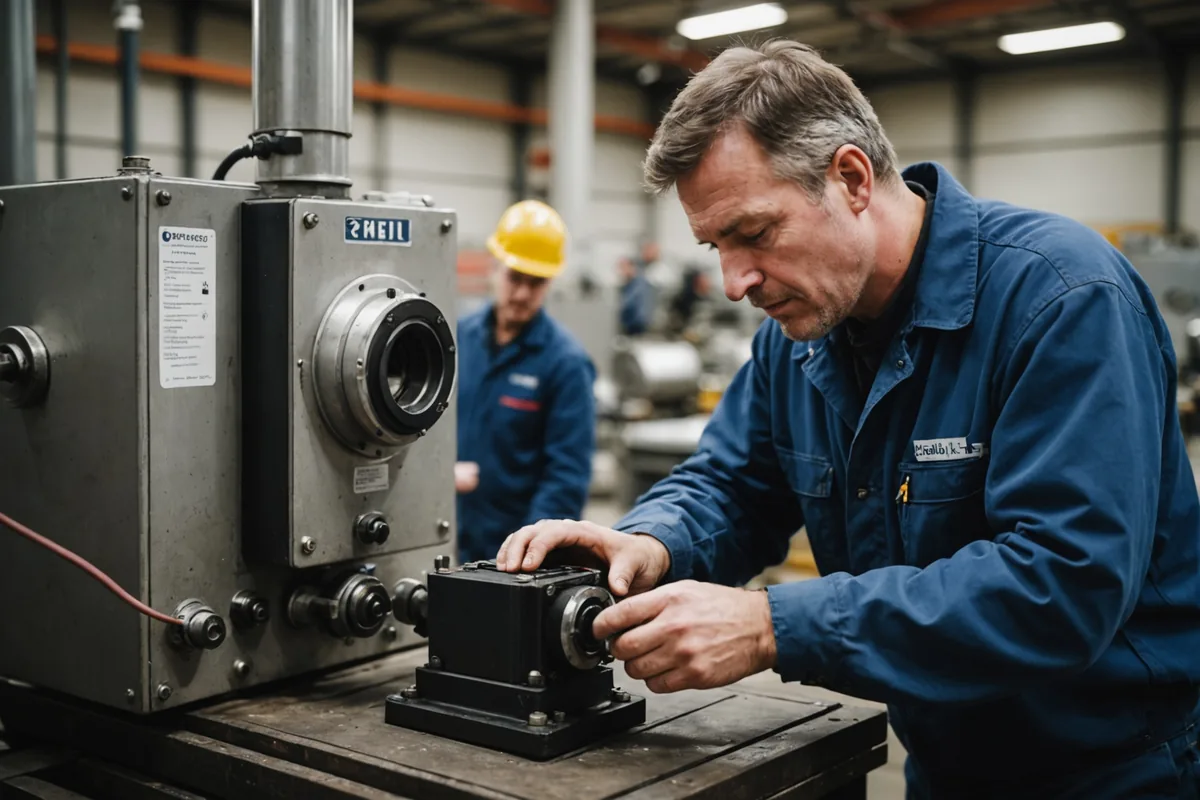
Edge Anomaly Detection — catch abnormal vibration signatures 72 hours before mechanical failure
Gearcadence's on-device ML model runs directly on the edge gateway attached to each asset, processing raw sensor signals at 10kHz without sending raw data to the cloud. The model learns each machine's normal operating envelope over a 2-week calibration window, then flags deviations with sub-second latency. Because inference happens at the edge, alerts fire even when plant network connectivity drops — ensuring no critical failure window is missed during shift transitions or scheduled IT maintenance windows.
Failure Timeline Forecasting — know if a bearing will fail in 6 hours or 6 days
Most PdM tools tell you a machine is degrading; Gearcadence tells you when it will fail. The cloud layer synthesizes asset-class degradation curves with site-specific operating patterns to produce an estimated time-to-failure window with confidence intervals. Maintenance planners receive a ranked work order queue each morning with TTF labels — letting them schedule the right technician at the right shift without production interruption. In beta testing across three facilities, TTF windows were accurate within ±18% for rolling-element bearings and gearboxes.
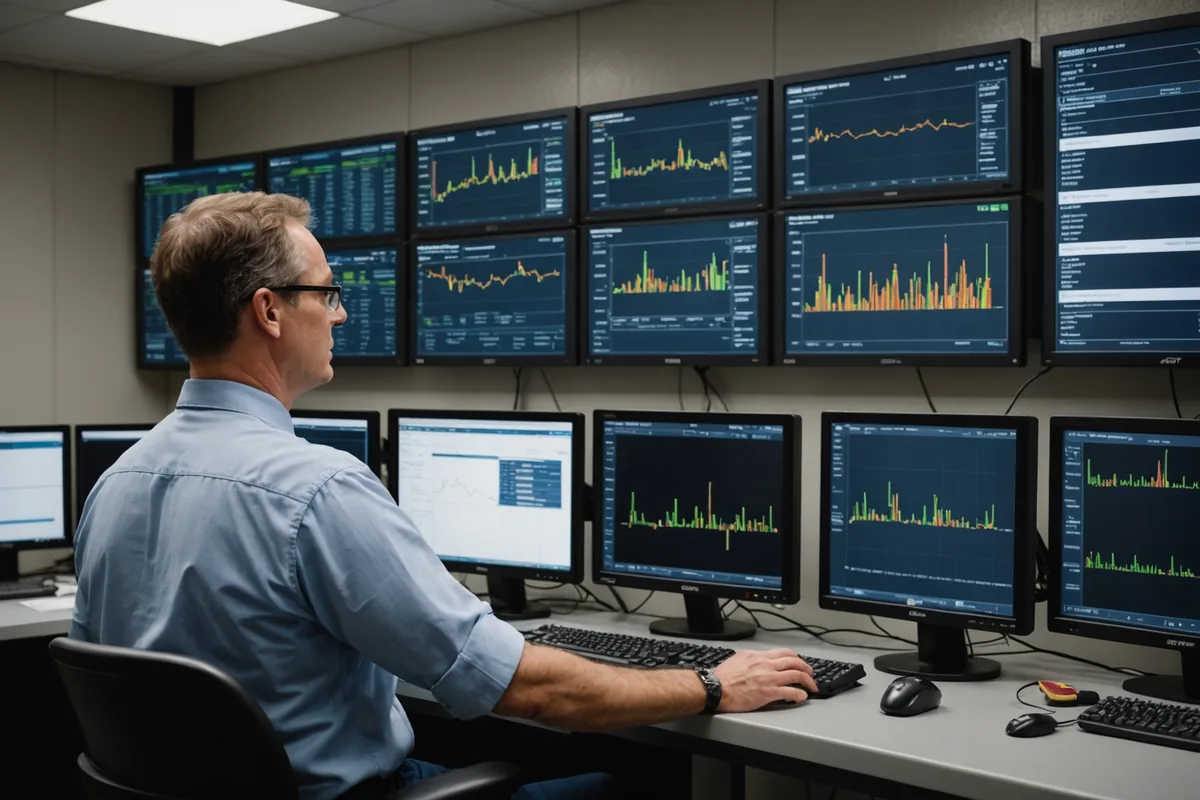
Sensor-Agnostic Onboarding — clip on any machine, running any protocol, in under two hours
Gearcadence ships with pre-calibrated triaxial vibration pods and a four-channel temperature array that attach magnetically to motor housings, gearboxes, and pump casings with no drilling or line-item downtime. The edge gateway auto-discovers sensor types and negotiates sampling rates. For plants with existing SCADA historians or OPC-UA endpoints, the platform ingests live process variables directly — supplementing vibration data with motor current draw, flow rates, and torque signals to improve diagnostic accuracy across the full drivetrain, not just the bearing.
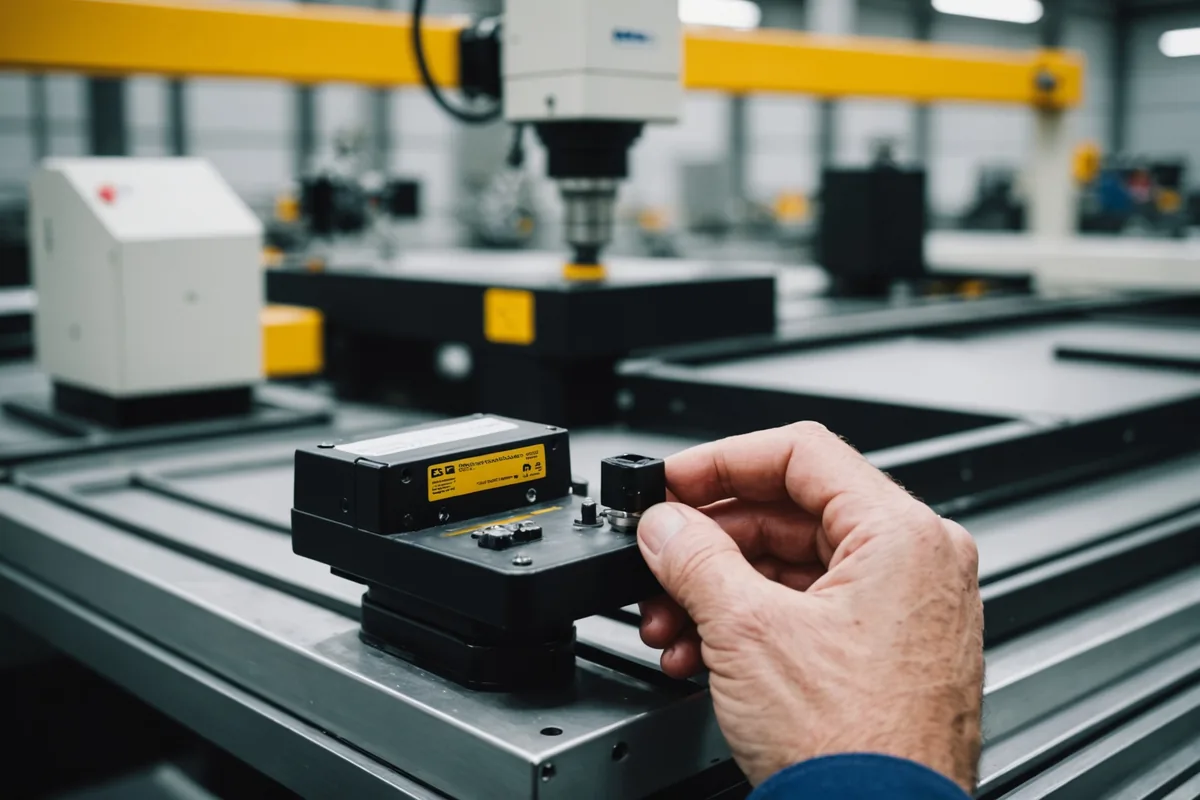
CMMS Work Order Push — failure predictions land as actionable work orders in your existing system
Maintenance teams do not have time to log into another dashboard. Gearcadence integrates bi-directionally with SAP PM, IBM Maximo, and Fiix to create pre-populated work orders the moment an asset crosses a configurable risk threshold. The work order includes asset ID, failure mode classification, recommended corrective action, and a suggested parts list drawn from the site's storeroom inventory data. Technicians close the loop by updating the work order in their existing CMMS, feeding actuals back into Gearcadence's model to continuously improve TTF accuracy.

Multi-Asset Fleet Dashboard — one view for your entire machine fleet, color-coded by health score
The Gearcadence fleet dashboard aggregates every monitored asset across one or multiple facilities into a single health-score matrix. Assets are color-coded from green through amber to red based on their current anomaly level and TTF confidence. Plant managers can filter by asset class, production line, or shift window to understand which areas carry the highest unplanned downtime risk heading into the next production run. The dashboard renders on any device and is designed to be reviewed in under 90 seconds during a morning standup — no training required.
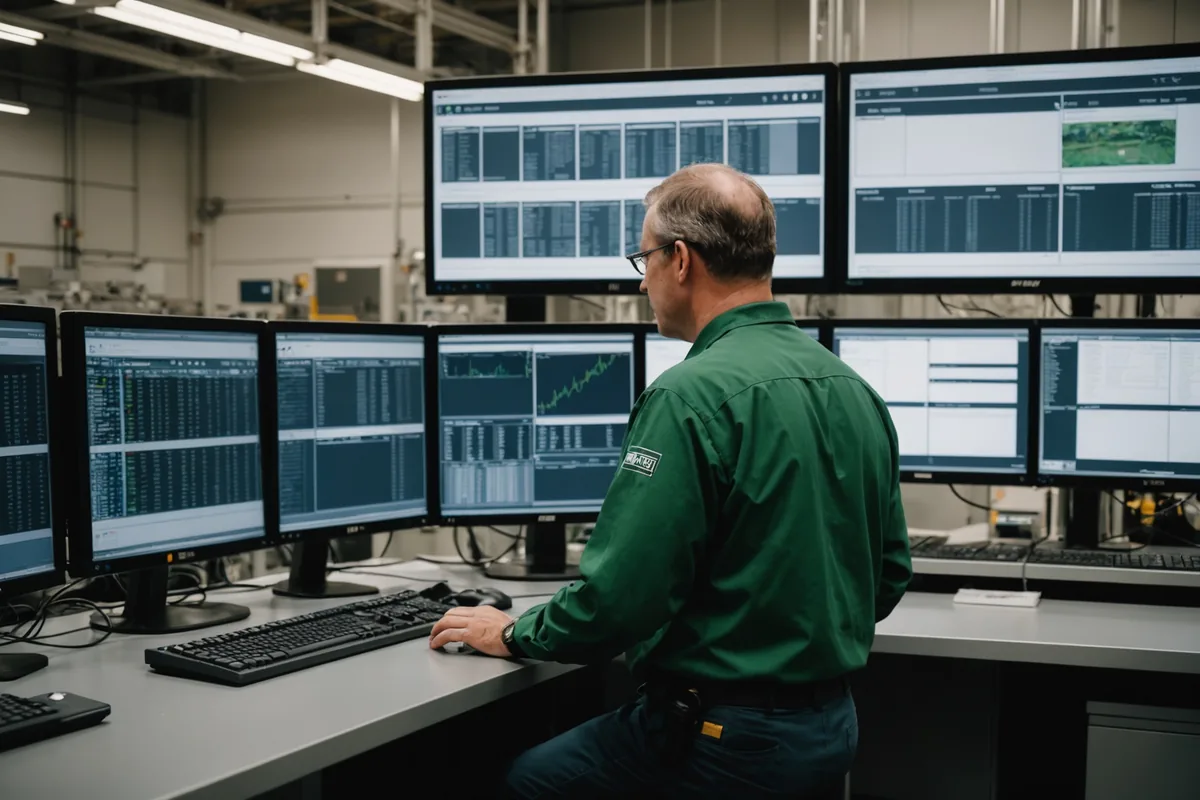
Maintenance ROI Tracker — quantify avoided downtime costs every quarter
Proving the value of a PdM program to finance and plant leadership requires hard numbers. Gearcadence's ROI module captures each averted failure event — logging the asset, the predicted failure mode, the actual corrective work performed, and the estimated production-loss cost avoided based on the customer's own OEE and hourly throughput data. Monthly and quarterly summaries roll up total avoided costs, meantime-between-failure improvements, and parts spend reduction, giving maintenance managers a ready-made business case in a format that resonates with operations directors and CFOs.

Built for discrete manufacturing maintenance teams
Gearcadence is the right fit for:
- Maintenance and reliability engineers at discrete manufacturers in automotive, industrial equipment, food processing, and metal fabrication verticals
- Plant managers responsible for OEE targets at facilities with 50 to 500 monitored machine assets
- Operations directors at companies with $50M to $500M in annual plant revenue who need defensible downtime-reduction numbers for budget reviews
- OEM equipment manufacturers looking to offer predictive maintenance as a service to their installed base
- Facilities running SAP PM, IBM Maximo, Fiix, OSIsoft PI, or Rockwell FactoryTalk who want PdM integrated into the tools their teams already use
- Bootstrapped plants without a data science team that still need production-grade predictive analytics
Gearcadence is not the right fit for:
- Process industries with continuous flow assets — refineries, chemical plants, or power generation, where asset behavior differs fundamentally from discrete rotating equipment
- Companies seeking a full MES replacement — Gearcadence is a PdM layer that works alongside your existing manufacturing systems, not a replacement for them
- Facilities with fewer than 20 rotating machines, where the sensor and infrastructure investment is unlikely to deliver measurable ROI within a reasonable timeframe
- Teams that require on-premise-only deployment with zero cloud connectivity — Gearcadence's cloud layer is required for multi-asset fleet aggregation and degradation model training
Works with the systems your team already runs
Gearcadence connects bi-directionally with your CMMS, historian, and SCADA infrastructure without replacing them.
See Gearcadence on your equipment
We deploy alongside your maintenance team in a single day. Bring us one machine you've had trouble predicting — we'll show you what the sensors already know.
Request a Demo